


Ventilation (breathing) valves
A mechanical breathing valve combined with a flame retardant is a device intended for installation in tanks for petroleum products. To ensure fire safety, it is necessary to conduct tests of the product’s performance, the frequency and schedule of which is established by the manufacturer. In case of unsatisfactory test results, the valve must be replaced. The service life of this protective pipeline fitting is up to 15 years.
Functional purpose
The combined safety valve with a fire barrier performs two very important tasks for ensuring the safe operation of the gas station tank park and other oil product supply enterprises.
Regulates the pressure of the gas space in the containers intended for the storage of oil products. Pressure drops are possible during the reception and delivery of petroleum products or during seasonal temperature fluctuations.
Protects the fuel tank from sparks and flames.
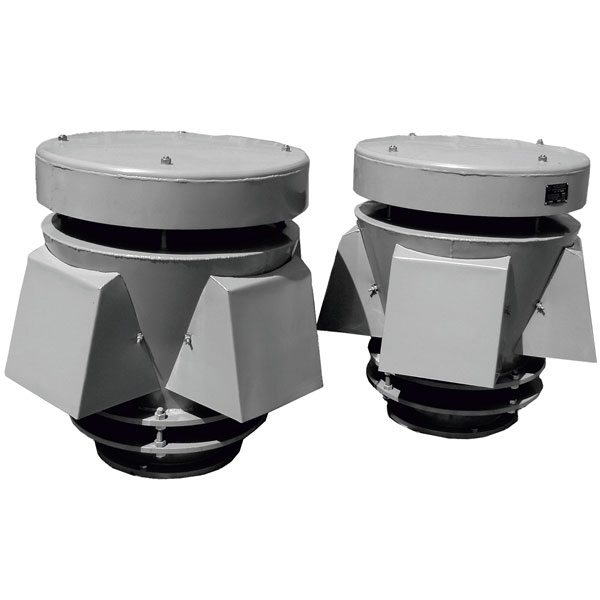
Arrangement and principle of operation of the ventilation valve
In the production of the combined breathing valve, strong materials resistant to the appearance and development of corrosion foci are used: stainless steel, brass, alloys based on aluminum and magnesium. The elements of the product are assembled in the case.
The design of the valve includes vacuum plates and pressure plates that form, respectively, vacuum and pressure chambers in the body. The cameras are connected to the environment with the help of openings covered with a net. At critical values of vacuum or pressure, the corresponding plate opens and ensures communication of the internal space of the container with the atmosphere. The springs of the plates, which are tare at the factory, ensure normal pressure in the internal space of the container.
There are holes above the plates, hermetically sealed with lids. They are intended for service activities. The surfaces of the plates are covered with a film made of fluoroplastic, which deforms and thereby prevents the appearance of an ice crust.
The flame arrestor cassette prevents sparks arising during the ignition of explosive gas mixtures with air from entering the oil tank.
The body of the SMDK is fixed on the lid of the tank with fuel or on the deaeration line with the help of a flange through a seal to the flange in response. The working position of the product is with the connecting flange downwards.


